

Why CPR Training Matters More Than Ever
Understanding why CPR training matters can truly be the difference between life and death. Sudden cardiac arrest can happen anywhere—at work, at home, in public places, or during recreational activities. When it does, immediate action is critical. CPR training equips everyday people with the skills and confidence needed to respond effectively before emergency responders arrive.
In a world where minutes matter, CPR training is not optional—it’s essential.
At Firefighter Safe, we’ve seen firsthand how preparedness saves lives. Let’s explore why every workplace should have an AED, what the law says, and how AED training can empower your team to respond confidently in an emergency.
What Is CPR Training?
CPR training teaches individuals how to perform cardiopulmonary resuscitation, a life-saving technique used when someone’s heart or breathing has stopped. High-quality CPR training includes:
-
Recognizing cardiac arrest
-
Performing effective chest compressions
-
Providing rescue breaths when appropriate
-
Using an Automated External Defibrillator (AED)
-
Responding calmly and confidently in emergencies
CPR training is designed to prepare people for real-world situations, not just classroom scenarios.

Why CPR Training Matters in Emergencies
The primary reason why CPR training matters is simple: it saves lives. According to medical research, brain damage can begin within four to six minutes without oxygen. Emergency medical services often take longer than that to arrive.
When CPR is started immediately:
-
Blood flow to the brain and vital organs is maintained
-
Survival rates significantly increase
-
The risk of long-term brain injury decreases
Without CPR, survival chances drop by roughly 10% for every minute that passes.
Why CPR Training Matters in the Workplace
Workplaces are one of the most common locations for medical emergencies. Employees spend a significant portion of their day at work, making preparedness essential.
CPR training in the workplace matters because:
-
Coworkers are often the first responders
-
Fast action reduces liability and downtime
-
It improves overall safety culture
-
Employees feel more confident and protected
Many industries—including construction, manufacturing, healthcare, education, and warehousing—benefit greatly from CPR training due to higher physical demands and increased risk factors.
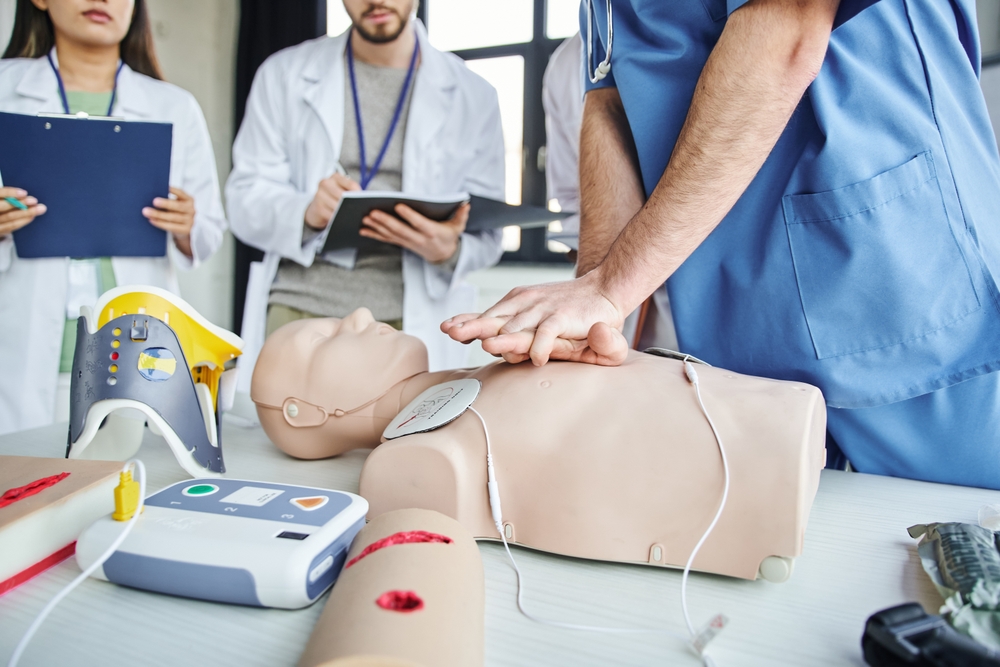
CPR Training and AED Use Save Lives Together
A major part of understanding why CPR training matters is recognizing its connection to AED use. AEDs are designed to restore a normal heart rhythm during sudden cardiac arrest, but they are most effective when paired with CPR.
Proper CPR training teaches:
-
When to use an AED
-
How to safely apply AED pads
-
How to continue CPR until help arrives
Organizations that combine CPR training with AED placement significantly improve emergency response outcomes.
Why CPR Training Matters for Everyday People
CPR training isn’t just for professionals—it’s for everyone. Cardiac emergencies often happen at home or around loved ones. Knowing CPR means you’re prepared to help:
-
Family members
-
Friends
-
Coworkers
-
Strangers in public
Parents, caregivers, coaches, teachers, and community members all benefit from CPR training. The confidence gained through training helps reduce panic and encourages immediate action during emergencies.
CPR Training Builds Confidence and Reduces Fear
One overlooked reason why CPR training matters is confidence. Many people hesitate to act during emergencies because they’re afraid of doing something wrong. CPR training removes that fear by providing hands-on practice and clear guidance.
Trained individuals are more likely to:
-
Recognize emergencies quickly
-
Take control of the situation
-
Perform CPR correctly and confidently
Confidence saves time—and time saves lives.
CPR Training Supports Compliance and Safety Standards
In many workplaces, CPR training helps meet OSHA guidelines, insurance requirements, and internal safety policies. While CPR training may not be legally required in all industries, it is often considered a best practice for risk management and employee safety.
Organizations that prioritize CPR training demonstrate:
-
Commitment to employee well-being
-
Proactive safety leadership
-
Reduced risk exposure
This commitment can improve morale, retention, and trust within the workplace.

Why CPR Training Matters More Today Than in the Past
Today’s workplaces and communities face new challenges, including aging populations, increased chronic health conditions, and higher stress levels. These factors increase the likelihood of cardiac events.
Modern CPR training has evolved to address these realities by:
-
Emphasizing hands-only CPR
-
Incorporating realistic emergency scenarios
-
Teaching AED use alongside CPR
This evolution makes CPR training more accessible and effective than ever.
Choosing the Right CPR Training Program
If you truly understand why CPR training matters, choosing the right provider is critical. Look for CPR training programs that offer:
-
Experienced instructors with real-world knowledge
-
Hands-on practice with manikins and AEDs
-
Industry-specific or workplace-focused courses
-
On-site training options
-
Certifications that meet employer needs
High-quality training ensures participants leave prepared, confident, and capable.
At its core, why CPR training matters comes down to preparedness. Emergencies don’t wait, and neither should training. CPR training empowers individuals, protects workplaces, and saves lives.
Whether you’re an employer, employee, parent, or community member, investing in CPR training is one of the most impactful decisions you can make.
Firefighter Safe provides professional, hands-on CPR training designed to prepare individuals and workplaces for real emergencies. Taking the time to train today could save a life tomorrow.